

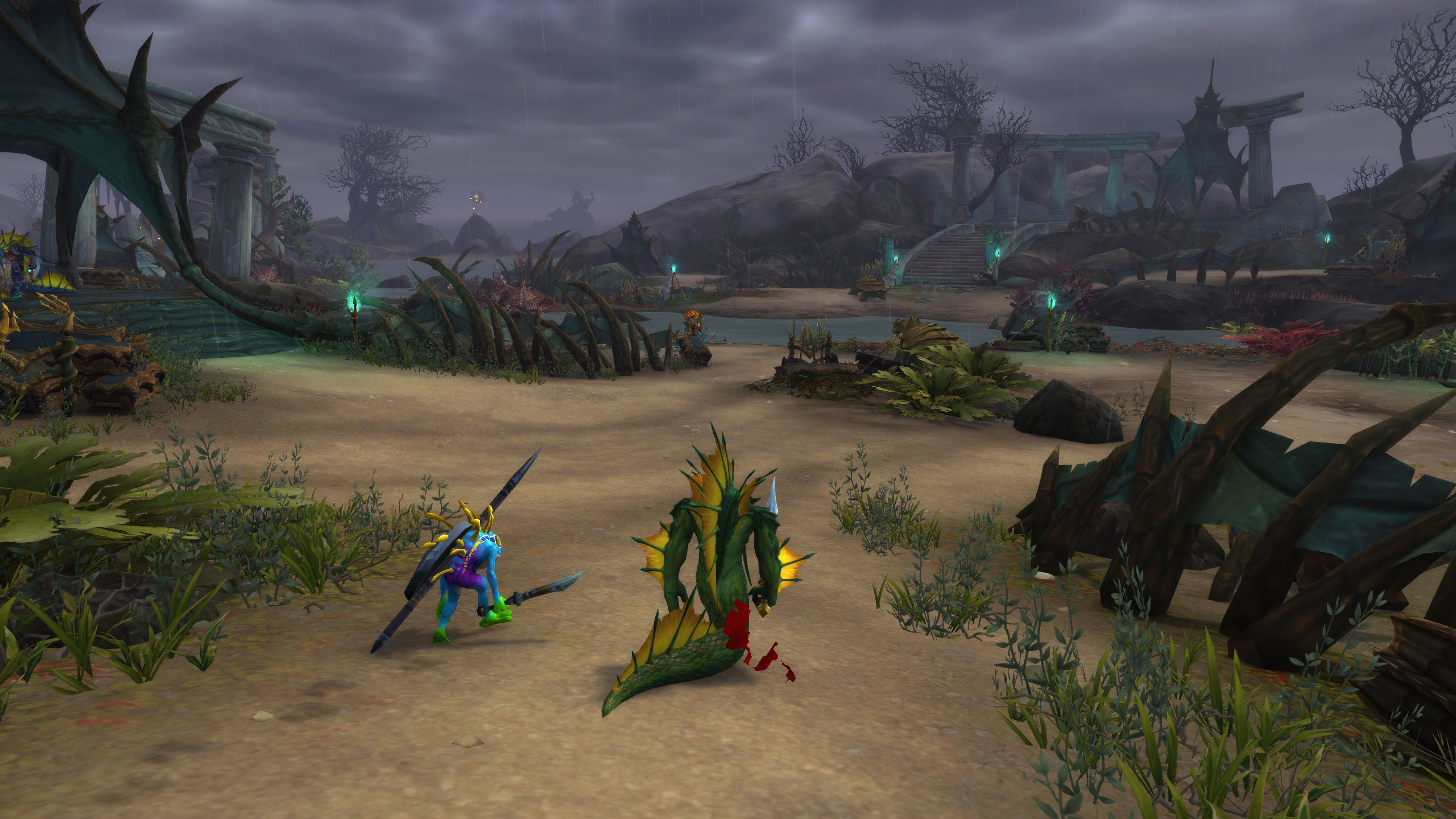
Introduction. Few games have aged as gracefully as World of Warcraft. When it launched in 2004, its art direction favored style over realism—vivid colors, exaggerated shapes, and painterly textures created a world that transcended hardware limitations. Two decades later, WoW’s visual design continues to evolve without losing its soul. Through steady innovation and artistic restraint, Blizzard has transformed Azeroth from a low-poly canvas into a living painting that still feels unmistakably Warcraft.
This article explores how WoW’s art team balanced modernization with identity, tracing the visual journey that kept the world timeless, immersive, and emotionally resonant through every expansion.
The Foundations of Warcraft’s Visual Language
When WoW debuted, realism wasn’t the goal—readability was. The exaggerated proportions, bold silhouettes, and vibrant palettes made the game instantly recognizable, even at low resolution. This approach, inspired by traditional fantasy art and animation, allowed players to navigate dense environments while keeping the world visually distinct. Blizzard’s art team prioritized clarity of form over photorealism, ensuring that every weapon, tree, and character silhouette told a story.
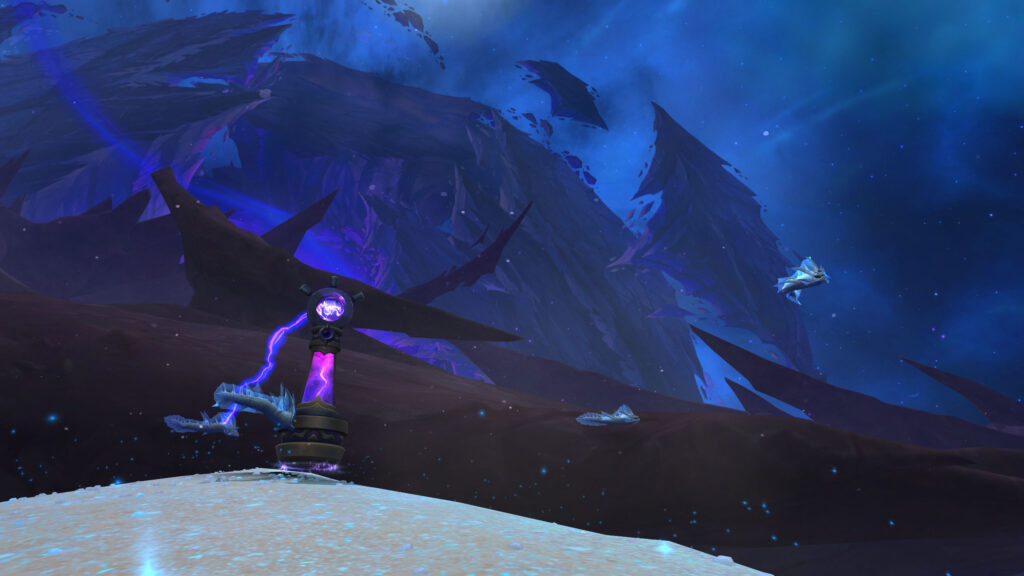
This design philosophy created a unique signature. Even today, screenshots from Classic WoW remain iconic because of their composition and color harmony. The choice to stylize, rather than imitate reality, gave Azeroth visual longevity—a world painted in broad strokes rather than pixels.
Technological Progress and Artistic Consistency
As technology advanced, Blizzard faced the challenge of evolving WoW’s visuals without breaking immersion. With each expansion, the team introduced new rendering techniques—dynamic lighting, higher-resolution textures, and improved animations—while retaining the game’s painterly heart. The result was a world that felt both familiar and renewed, evolving naturally like a living organism rather than a rebooted franchise.
From Mists of Pandaria’s rolling bamboo groves to Dragonflight’s majestic skies, modern WoW showcases depth and atmosphere that were once unimaginable. Yet, despite technical sophistication, the art direction remains grounded in simplicity and emotion. The world’s beauty lies not in realism, but in how it captures feeling—a sunrise in Elwynn, a storm over Icecrown, a torch’s glow in a forgotten ruin.
Color, Mood, and Emotional Storytelling
WoW’s art team treats color as narrative. Each expansion carries its own emotional palette—Legion’s fel-green despair, Shadowlands’ spectral blues, Dragonflight’s warm rebirth hues. These choices subconsciously guide player emotion, turning zones into emotional experiences. The visual tone often mirrors the story’s arc, deepening immersion through atmosphere alone.
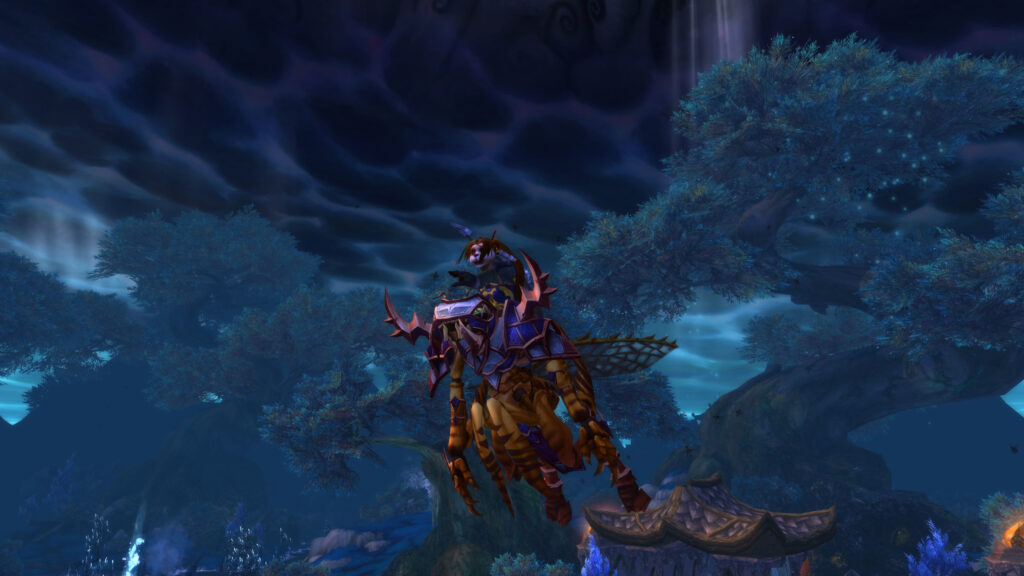
This mastery of mood ensures that even familiar landscapes feel alive. The art doesn’t just depict locations; it evokes feeling. A crimson horizon signals danger, a soft dawn over Val’sharah whispers peace. Blizzard’s understanding of visual rhythm transforms exploration into emotional storytelling without a single line of dialogue.
| Expansion | Artistic Focus | Dominant Palette | Emotional Tone |
|---|---|---|---|
| Classic | Strong silhouettes and hand-painted textures | Warm earth tones | Nostalgia and discovery |
| Legion | Fel corruption and light contrast | Green and gold | Conflict and sacrifice |
| Shadowlands | Ethereal realms and symbolic lighting | Cool blues and purples | Melancholy and transcendence |
| Dragonflight | Vertical freedom and natural light | Amber and teal | Renewal and hope |
From Technical Restraint to Artistic Flourish
WoW’s early limitations forced creativity. Artists had to suggest complexity rather than render it. Rocks were hand-painted illusions of depth; trees were flat textures implying volume. These techniques, born of necessity, evolved into artistry. As engines improved, Blizzard maintained this painterly discipline, avoiding the pitfall of hyperrealism that dates many modern MMOs.
The result is a world that feels cohesive across eras. Players can travel from the Barrens to Zaralek Cavern without visual dissonance, despite two decades of technological change. This aesthetic continuity keeps the illusion of a single, unified world intact—a feat few games achieve across generations.
The Future of WoW’s Art Direction
Looking forward, Blizzard’s challenge is to innovate without eroding identity. With new tools like ray tracing and dynamic weather, WoW’s art team now paints with light itself. The recent expansions prove that evolution doesn’t mean departure; it means refinement. Each visual upgrade feels like another brushstroke on the same canvas—a painting that grows with time but never loses its soul.
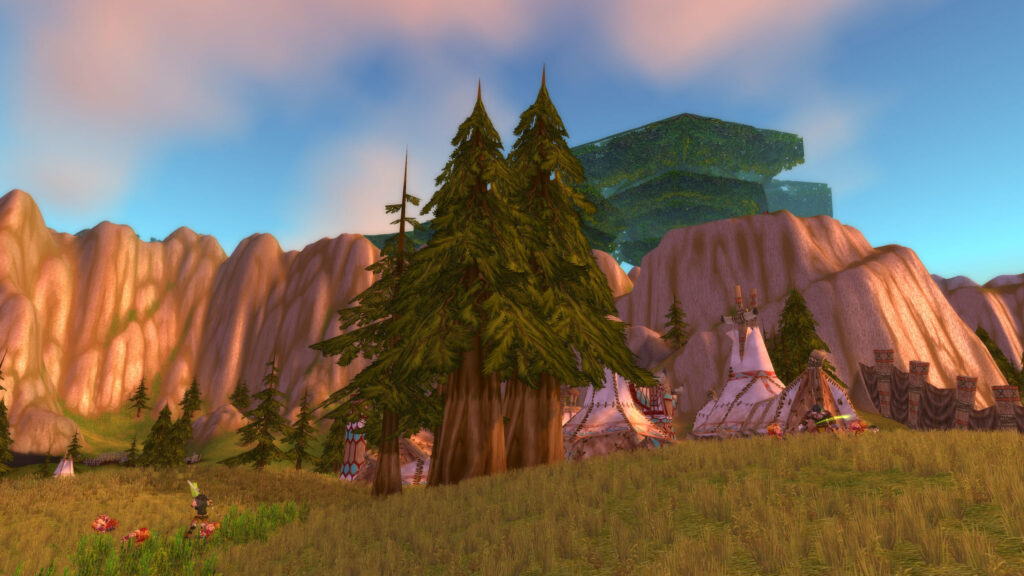
As players continue to revisit Azeroth, the art remains one of the strongest bridges between memory and experience. The landscapes are no longer static—they breathe, shift, and glow with history, inviting players to see old places anew while remembering why they fell in love with them in the first place.
Conclusion
WoW’s artistic evolution is a testament to Blizzard’s philosophy: technology serves emotion, not the other way around. From low-poly beginnings to dynamic modern vistas, the game’s art direction remains a masterpiece of restraint and imagination.
It’s not realism that keeps players returning—it’s beauty, style, and memory. Azeroth has grown older, but like a timeless painting, it remains alive—forever changing, yet eternally familiar.
Leave a Reply