

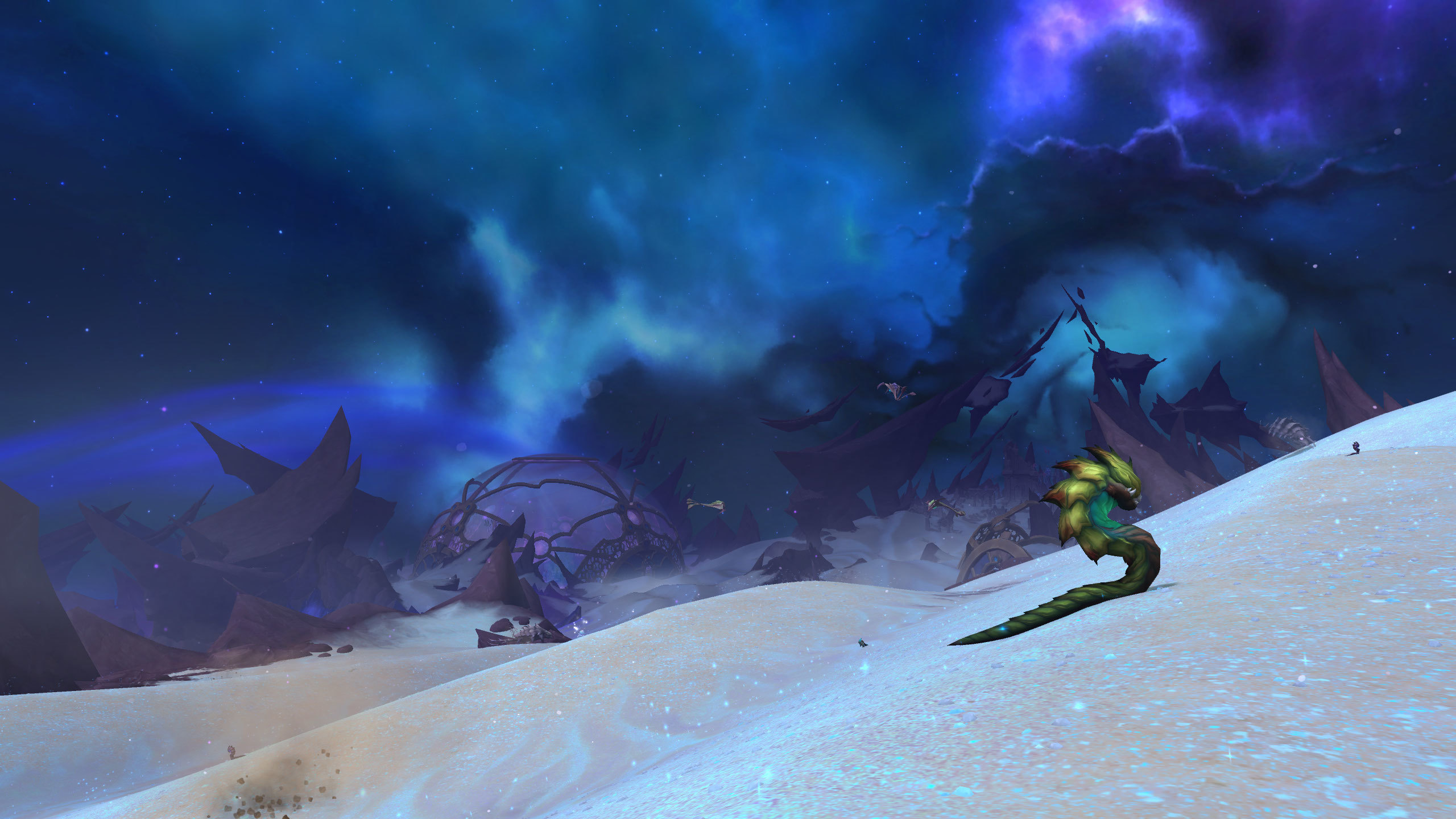
Introduction. Beneath Azeroth’s mountains and deserts lie the ruins of lost empires—civilizations that once shaped the planet long before modern races rose to power. Their monuments, now crumbled and buried, tell stories of ambition, faith, and tragedy. From the Tol’vir of Uldum to the Aqir kingdoms that predate the Titans’ arrival, these ancient cultures form the unseen backbone of Warcraft’s lore. They are reminders that every piece of land in Azeroth carries history older than the world itself.
This article journeys through the forgotten empires of Azeroth, uncovering how their legacies still echo through the sands, stones, and shadows of the present age.
The Tol’vir – Guardians Turned Prisoners
Once proud Titan-forged protectors, the Tol’vir were charged with safeguarding Uldum’s secrets. Their empire, rich in sandstone architecture and divine symbolism, reflected a culture built on duty and reverence. However, when the Curse of Flesh spread, their perfection crumbled—some fell into servitude under Deathwing, while others clung to the ruins of their old faith.
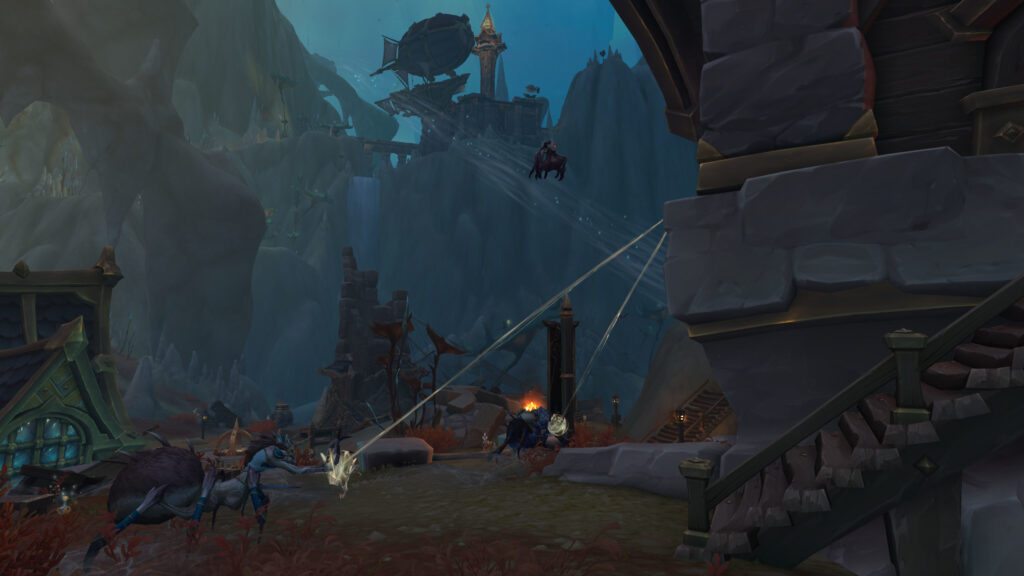
The Tol’vir’s crumbling pyramids and colossal statues still whisper of an era when they stood as stewards of creation. Exploring Uldum isn’t just archaeology—it’s communion with the remnants of a divine civilization caught between servitude and redemption.
The Aqir and the Birth of the Nerubians
Long before the rise of the Night Elves or Humans, the insectoid Aqir ruled a subterranean empire spanning continents. Born of the Old Gods’ corruption, they waged endless wars against their kin, the Trolls, before splintering into regional offshoots like the Nerubians of Northrend and the Qiraji of Silithus.
Their ruins—vast hive cities buried beneath rock and ice—still pulse with eerie life. The architecture of Azjol-Nerub and Ahn’Qiraj embodies the alien logic of their creators, where every structure serves both aesthetic and hive function. These remnants remind us that Azeroth’s earliest civilizations were not of man or elf, but of entities shaped by shadow and survival.
The Titans’ Legacy: Uldaman, Ulduar, and Uldir
Hidden beneath the earth lie the Titan facilities—repositories of knowledge and power left behind by Azeroth’s celestial architects. Uldaman, carved into the heart of Khaz Modan, holds records of creation itself. Ulduar, perched among Northrend’s peaks, served as both fortress and prison, housing horrors too dangerous to destroy. Uldir, deep in Zandalar, tells a darker tale—an experiment gone wrong, where Titans sought to contain corruption and instead amplified it.
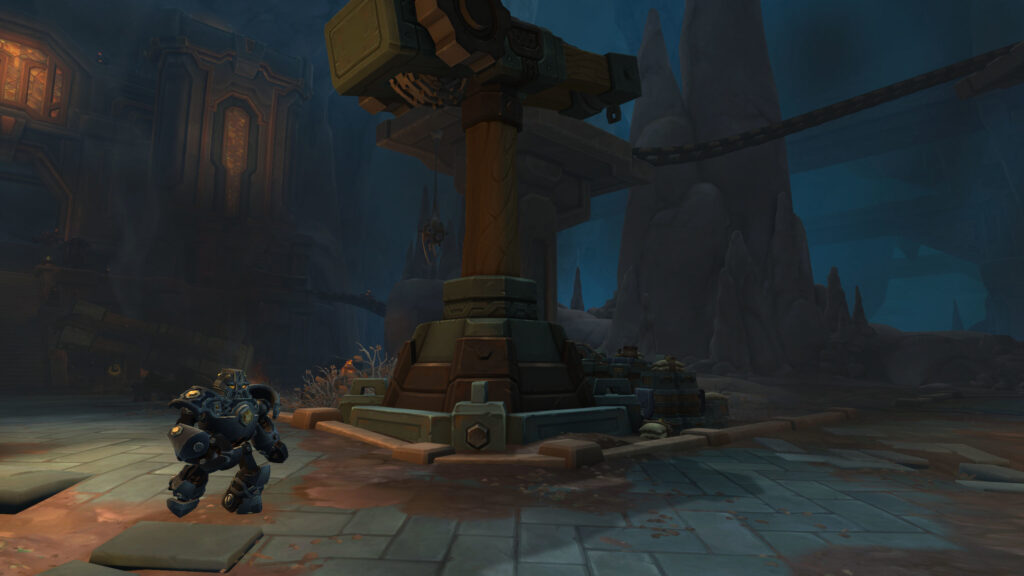
Each of these facilities stands as both monument and warning, symbolizing the hubris of creators who sought perfection and found chaos. They are the silent pillars of the world’s mythology, still influencing events millennia later.
The Zandalari and the Ancient Troll Empires
Among the mortal races, none are older than the Trolls. The Zandalari Empire once ruled vast territories, commanding respect through faith in the Loa and mastery of magic. Their architecture—towering ziggurats, golden idols, and intricate murals—reflects both devotion and dominance. Over time, internal strife and external threats shattered their unity, giving rise to the Darkspear, Gurubashi, and Drakkari tribes.
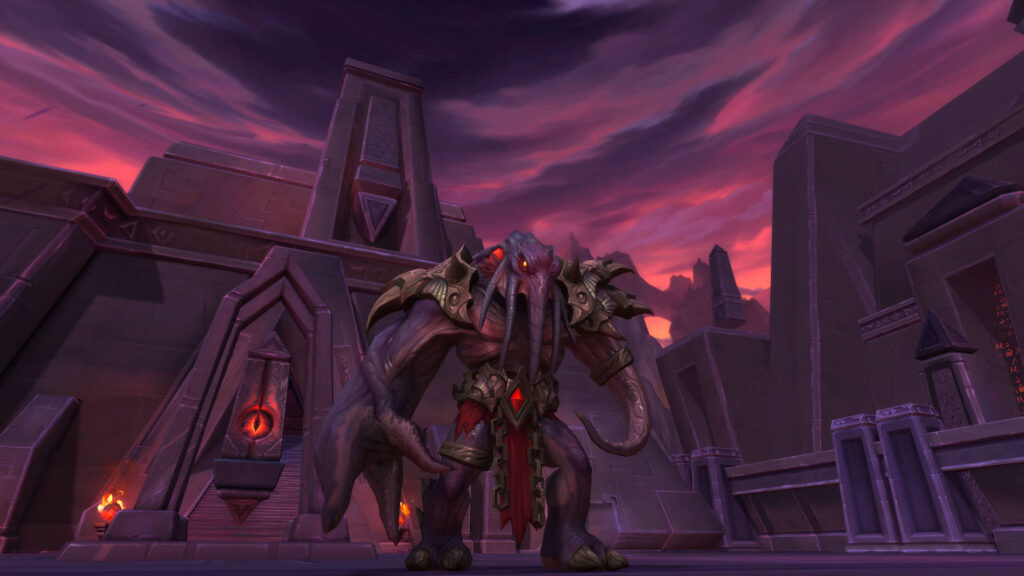
Despite their decline, the Troll empires shaped modern Azeroth more than any other mortal civilization. Their ruins are not relics—they are chapters of a story still unfolding through living descendants.
Forgotten Kingdoms in the Shadows
Beyond the great empires, whispers persist of other lost civilizations—the Azotha, precursors to humanity; the Black Empire of the Old Gods; and the mysterious builders of subterranean structures found beneath Pandaria and Kalimdor. Some of these ruins defy explanation, suggesting that even the Titans weren’t the first to shape Azeroth’s crust. The sands of Tanaris, the depths of Deepholm, and the forgotten caverns beneath Nazmir may yet hold truths the surface world has long forgotten.
The Echoes of Time
Every ruin tells a story—not just of rise and fall, but of transformation. The civilizations that came before laid the foundation for everything that exists in Azeroth today, from its architecture to its magic. Their downfall serves as a cautionary tale about power and legacy. To walk among their remains is to walk through time, tracing the heartbeat of a world that remembers even what mortals have long forgotten.
Conclusion
The lost empires of Azeroth are more than ancient history—they’re the bones of the world itself. Their ruins remind us that civilization is cyclical, and every triumph carries the seeds of decay.
Beneath the sand, stone, and silence lie stories of gods, monsters, and dreamers who once ruled the world. And perhaps, in exploring their ruins, players don’t just uncover the past—they rediscover what it means to endure.
Leave a Reply